
"Every watch is still counting
somewhere inside itself."
A quiet invitation to learn what goes wrong inside a movement — and how it gets put right by hands that have spent thirty years listening to them.
Wristwatches · Pocket Watches · Mantel Clocks · Grandfather Clocks
Calibers We Know by Touch
Thirty years of movements — from Swiss ebauche to American railroad grade, from Japanese quartz to English fusee. If it ticks, we've held it.
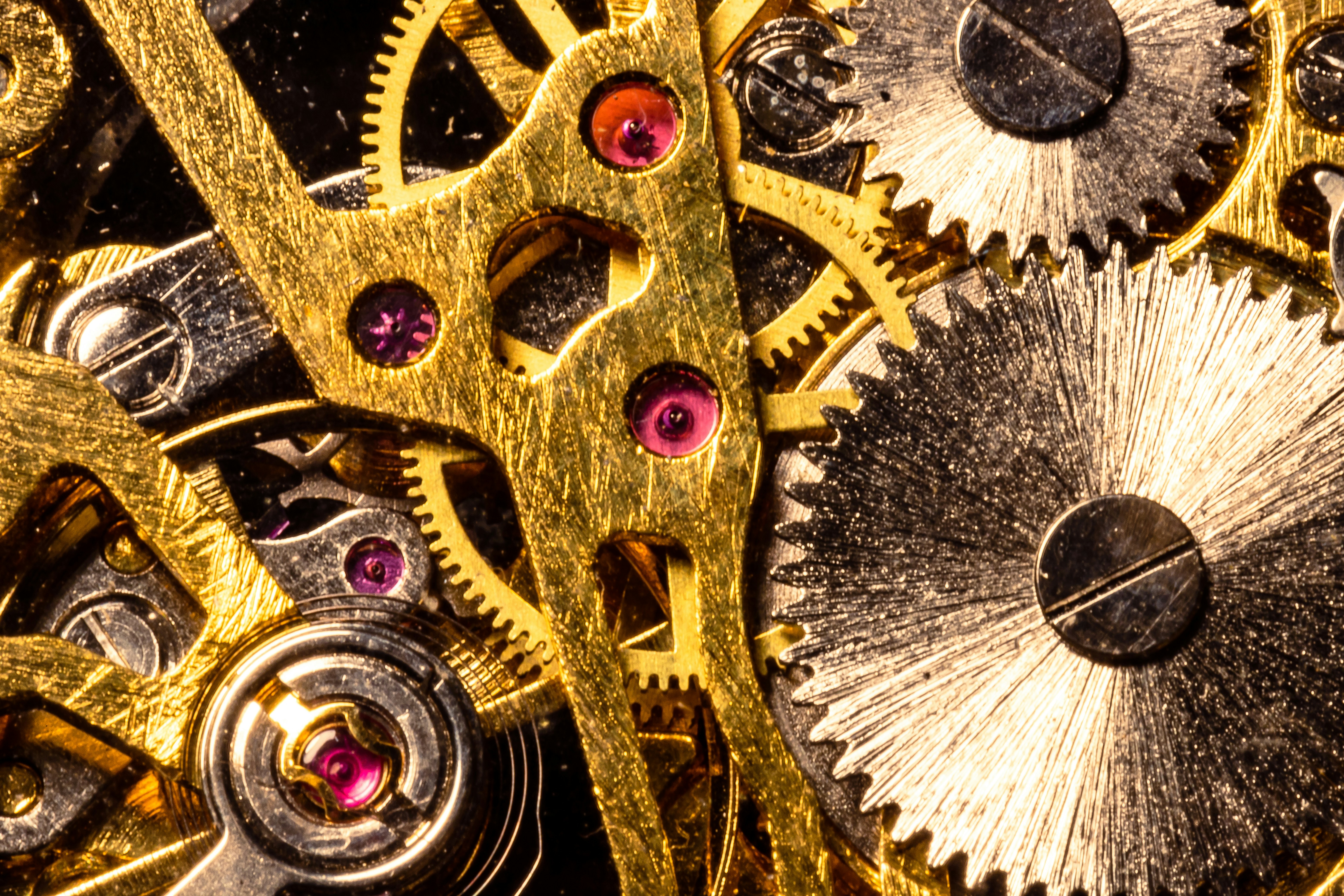
The Mainspring Barrel: Where Energy Lives and Dies
Inside every mechanical watch, a coiled ribbon of steel — the mainspring — stores energy when you wind the crown. As it uncoils through the barrel, it drives a gear train down to the escapement. When oil dries, when the spring fatigues, when a grain of dust finds the wrong groove, the watch begins to drift. A watch losing two minutes a day isn't broken — it's telling you something.
We disassemble the movement completely, ultrasonically clean every component, re-oil with period-correct lubricants, and regulate to COSC-adjacent tolerances. The mainspring is inspected for set and fatigue; if it's lost its memory, it's replaced.
Common Causes of Timekeeping Drift
- Dried or contaminated lubricants (most common after 5–7 years)
- Mainspring set — the spring no longer returns to full tension
- Worn escapement pallet jewels or damaged escape wheel teeth
- Hairspring distortion from impact or magnetic exposure
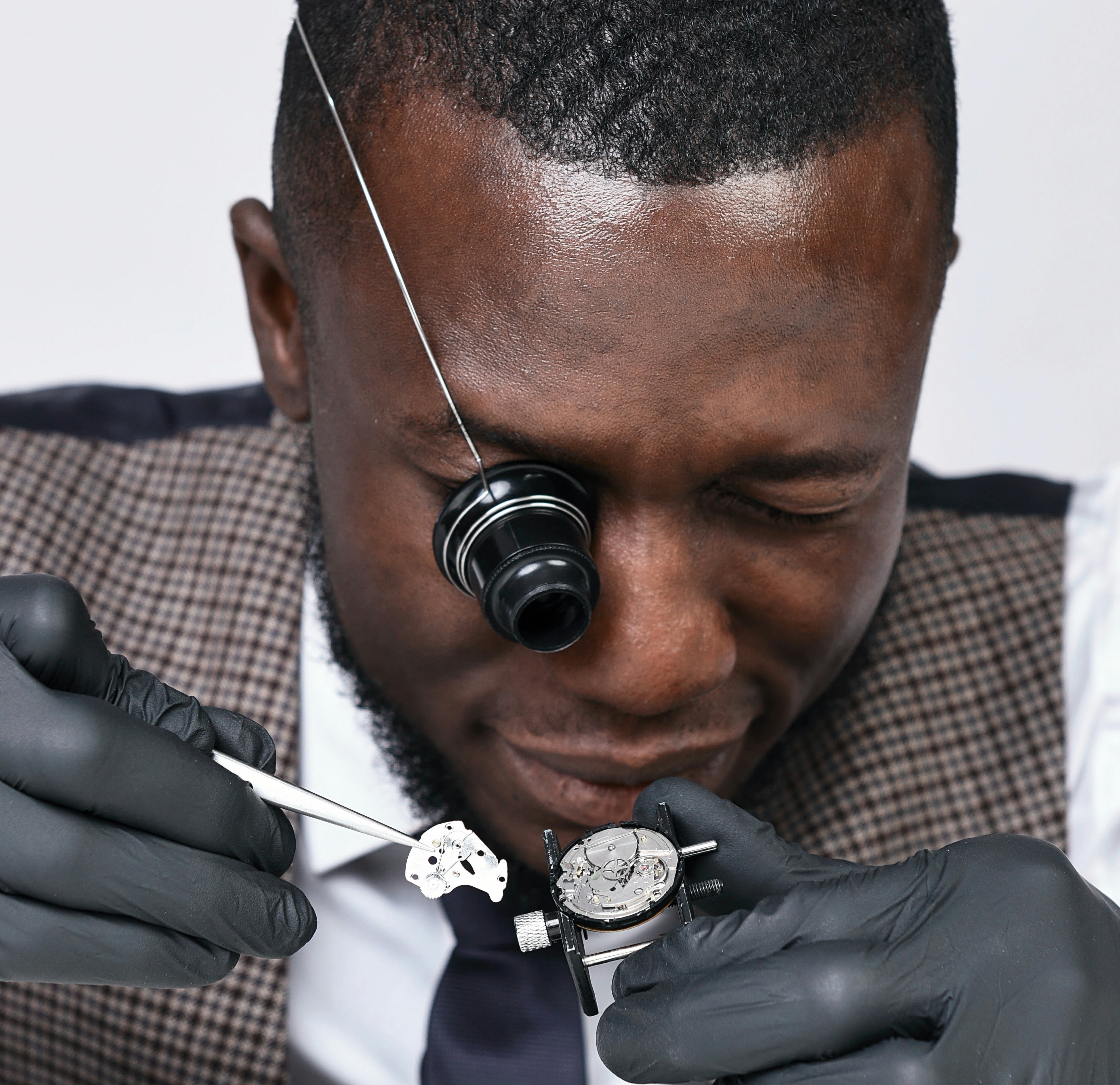
Why Water Is a Movement's Quiet Enemy
A watch that's been near steam, submerged briefly, or simply stored in a humid drawer carries moisture between its plates. You won't see it. But the movement will — as rust blooms on steel pinions, as brass wheels develop a patina that locks pivots, as the balance wheel's hairspring sticks mid-oscillation. The watch stops. Or worse, it keeps running — inaccurately — while the damage compounds.
Moisture diagnosis begins under magnification. Rust on steel components requires a judgment: clean and re-use, or replace? We carry donor movements for common calibers and source NOS parts through a network of horological suppliers. Every affected component is assessed individually.
Signs of Moisture Damage
- Rust spots visible on the dial or case back
- Watch runs erratically — fast, then slow, then stops
- Condensation visible inside the crystal
- Stem feels stiff or corroded when setting time
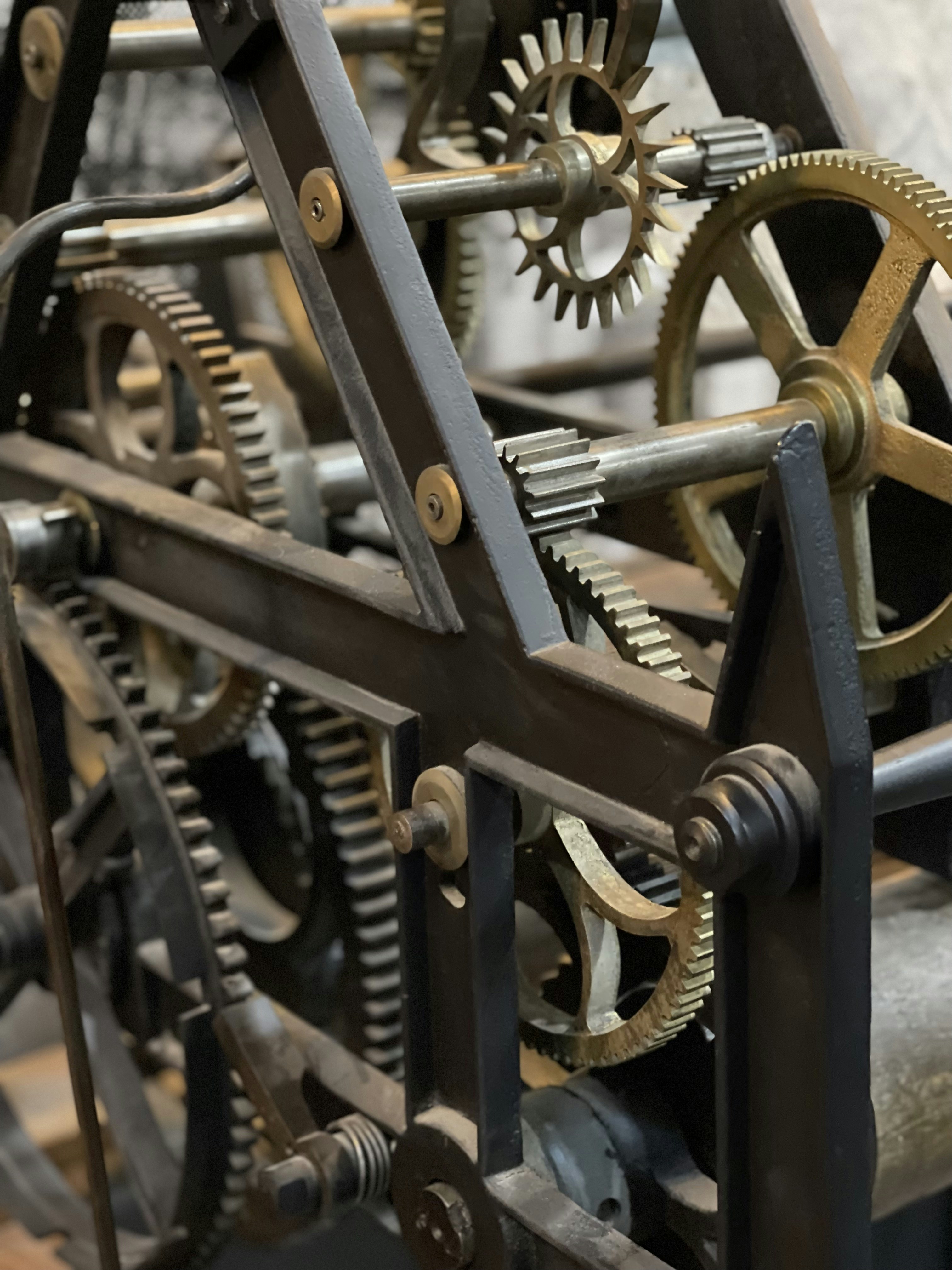
How a Century-Old Clock Gets Its Voice Back
A grandfather clock that hasn't chimed since 1987 is not dead — it's suspended. The suspension spring may have snapped. The strike train may be locked by a worn detent. The pendulum leader may have cracked. In thirty years, we've learned to read the silence: a clock that stops at the same position every time has a worn wheel; one that runs fast has a pendulum too short; one that won't strike has a lifted count wheel.
Clock restoration is methodical. We photograph the movement before disassembly, noting every worn part and its relationship to adjacent components. Bushings are fitted where pivot holes have worn oval. Suspension springs are replaced with period-correct width and thickness. The chime sequence is checked against the original Geneva stop-work.
Clock Symptoms We Diagnose
- Stops at the same position — worn wheel tooth or pivot
- Runs fast or slow — pendulum length or weight issue
- Won't strike or chimes incorrectly — count wheel or detent
- Chime and time out of sync — strike train needs setting
Every Timepiece Has a Story.
We're Here to Continue It.
Whether it's a wristwatch that stopped the day your father passed or a grandfather clock that hasn't chimed since 1987 — we know what it means to hold it.
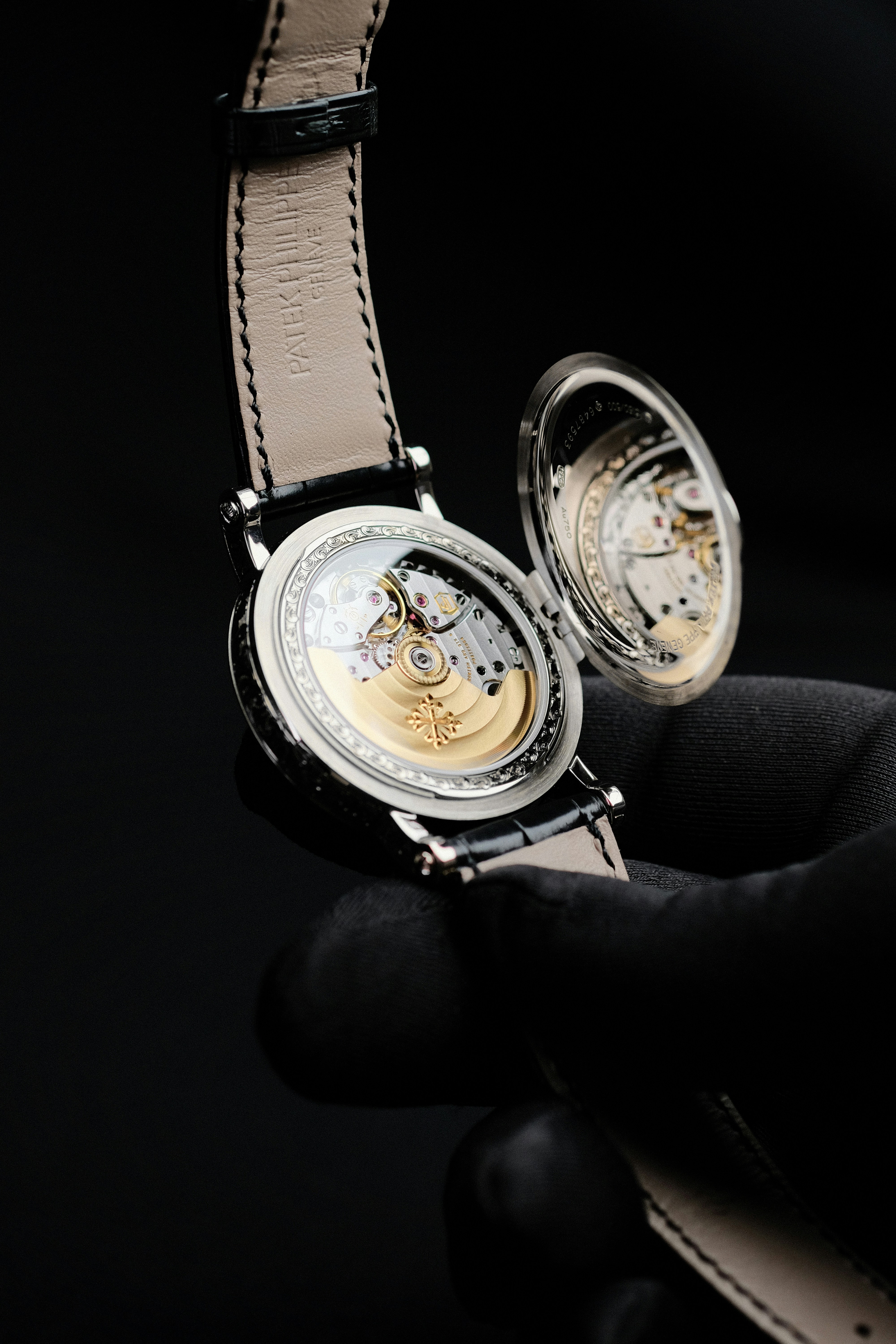
Mechanical & Quartz
Wristwatch Service
Complete movement service for dress watches, sport watches, and vintage pieces. We service all Swiss, Japanese, and German calibers — from a 1960s Omega Seamaster to a modern Seiko 5.
What's Included
- Full disassembly & ultrasonic cleaning
- Re-oil with modern lubricants
- Regulation to ±15 sec/day
- Crystal replacement
- Pressure test to original rating
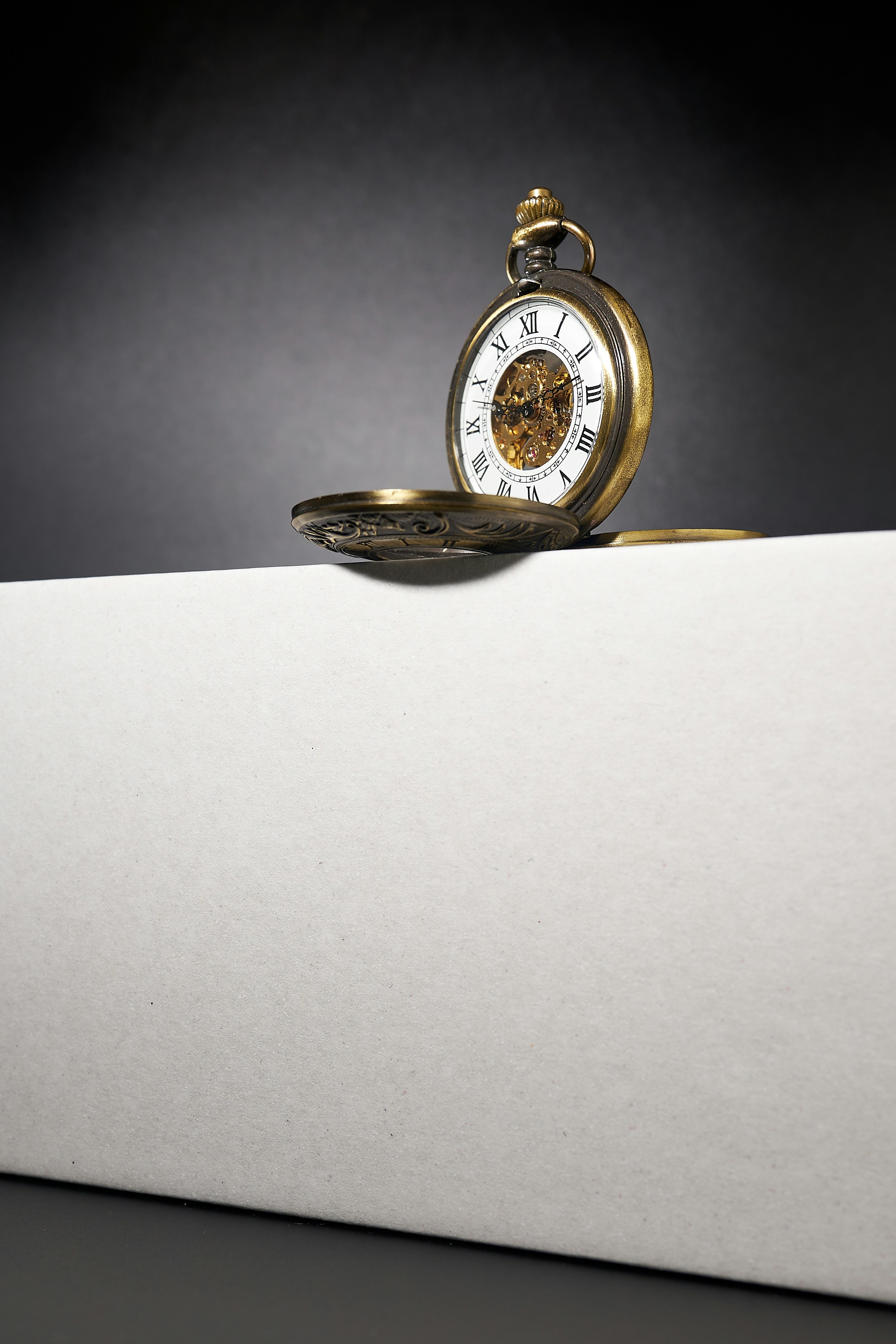
Railroad Grade to Dress
Pocket Watch
American railroad grades, Swiss hunter cases, English fusee movements. We hold NOS parts for Elgin, Waltham, Hamilton, and Illinois.
What's Included
- Movement cleaning & oiling
- Mainspring replacement if needed
- Case polishing (optional)
- Crystal fitting
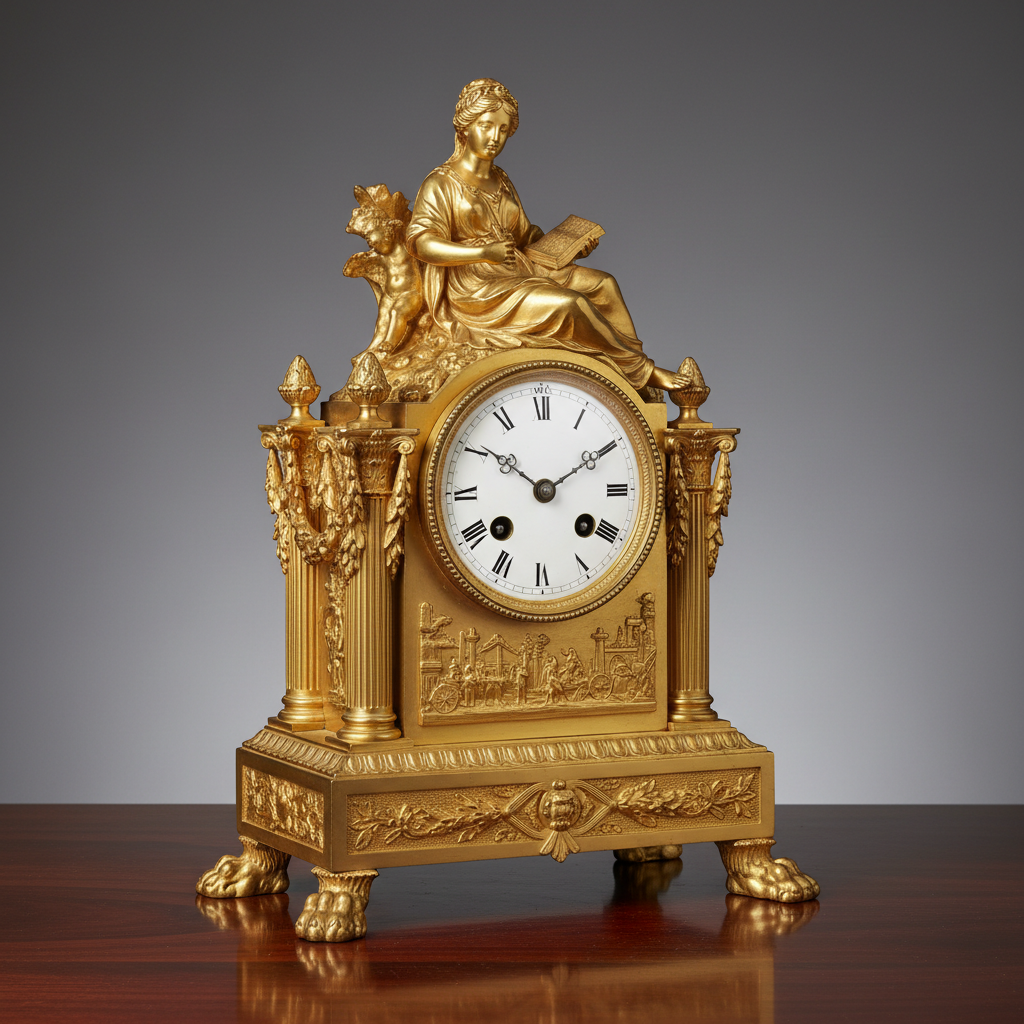
Westminster · Whittington
Mantel & Bracket Clocks
Eight-day French movements, German Black Forest strikes, English fusee bracket clocks. If it sits on a mantelpiece and hasn't chimed in years, we know why.
What's Included
- Movement removal & cleaning
- Bushing worn pivot holes
- Strike sequence regulation
- Suspension spring replacement
- Case cleaning & polishing
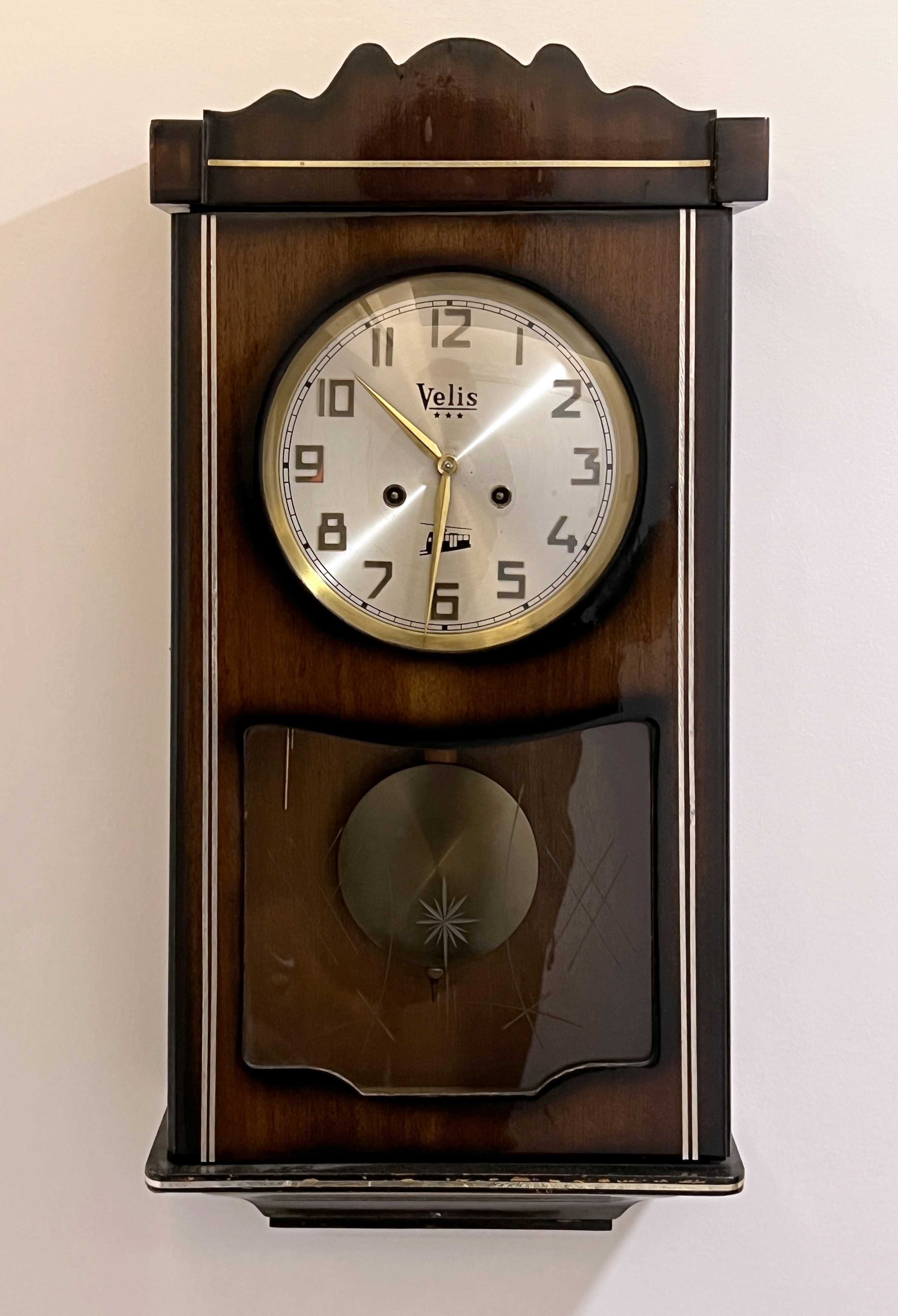
Floor Standing · Longcase
Grandfather Clocks
From a 1920s American hall clock to an 18th-century English longcase, we restore the mechanism that gave a house its heartbeat. We travel to your home for assessment on clocks that cannot be transported.
What's Included
- Full movement service
- Pendulum adjustment & regulation
- Chime hammer & rod adjustment
- Weight cable replacement
- In-home assessment available
Describe Your Timepiece
You don't need to know what's wrong — that's our work. Tell us what you have and what it's doing. We'll respond within one business day.
Timepieces Returned to Life
Three clients. Three very different reasons for bringing us their watch.
"My grandfather's railroad-grade Waltham had been in a drawer for forty years. I didn't expect it to run again. They called me two weeks later to say it was keeping time within eight seconds a day."
"The grandmother clock in our front hall hadn't chimed since we moved in 1998. I assumed it was broken beyond repair. Mainspring had it running in three weeks — the Westminster chime sounds exactly as it should."
"My father's Omega Seamaster stopped the week he passed. I couldn't bring myself to send it to a mail-in service. These are the only hands I'd trust with it."
The Owner's Guide to Watch & Clock Health
A 24-page PDF covering storage, winding, travel precautions, and when to seek service. Written for owners, not watchmakers.
No marketing. One email with the PDF. Unsubscribe whenever.
Why Clients Trust Us
We photograph before we touch
Every movement is photographed in its original state. You have a record of the work.
We call before we replace
No part is replaced without your approval. You decide what the watch is worth.
We come to you for clocks
Grandfather clocks that cannot be transported — we assess in your home.
Thirty years in practice
Not a franchise. One watchmaker, one bench, one standard.
"The watch is still trying. We just help it remember how."
Describe Your Timepiece